AI, Work and Human Capability
What happens to expertise, identity and human relationships when AI becomes part of everyday work?
Human Capability in the Age of AI
AI is transforming how we learn, work and lead. I help educators, leaders and organisations navigate this transformation while strengthening human judgement, creativity and purpose.
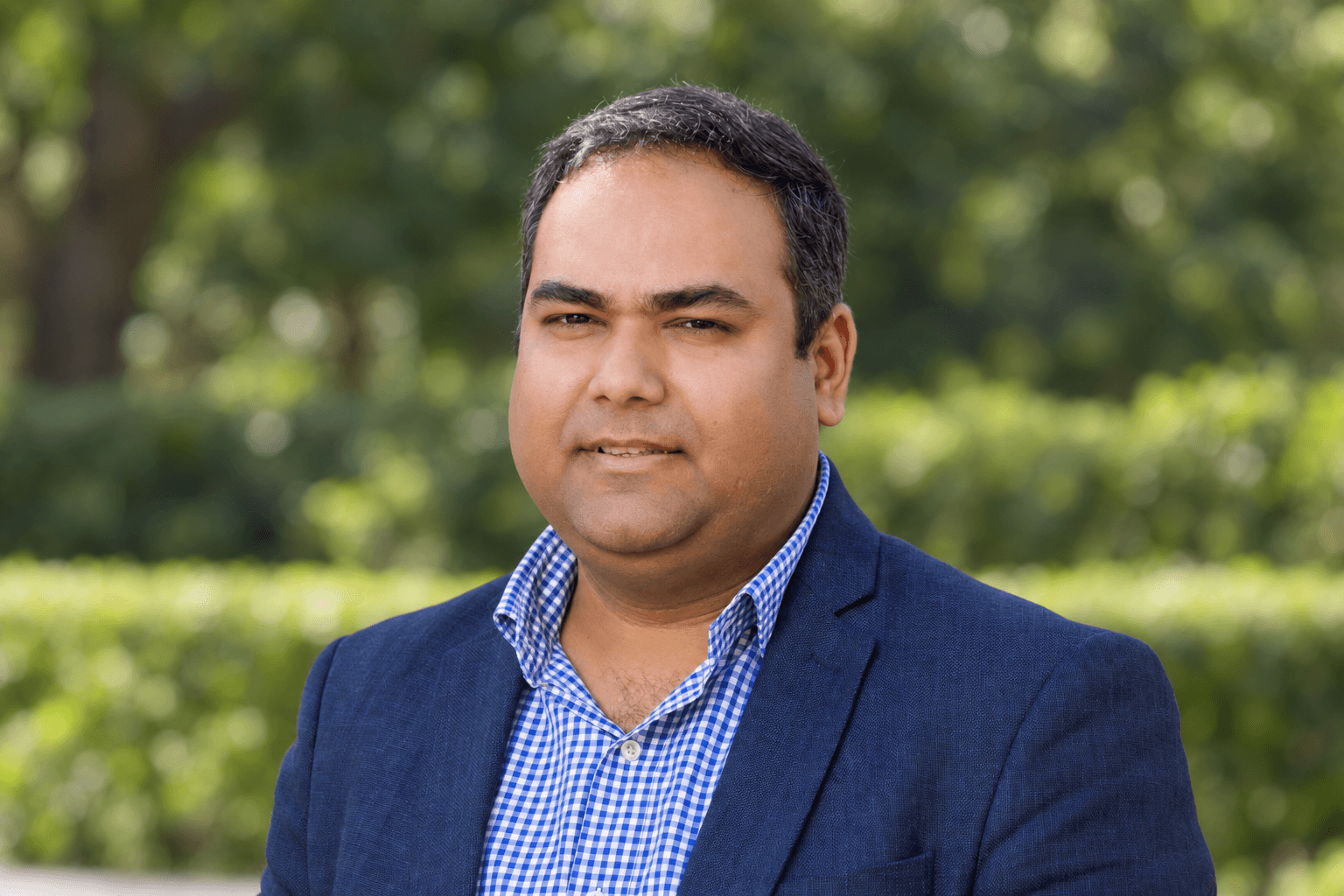
My work examines how artificial intelligence is changing people, education and organisations.
Across these areas, I am interested in a central question: how can technological progress strengthen human capability, rather than reduce human agency, judgement and purpose?
My research and practice are organised around three connected areas.
Through research, writing, and conversation, he helps people move from good intentions to meaningful action in education, leadership, and public life.
Research focused on human capability, education, leadership, and public purpose.
What happens to expertise, identity and human relationships when AI becomes part of everyday work?
How should leaders guide institutions through technological change while protecting human values and institutional purpose?
What should education develop when AI can generate knowledge and produce sophisticated answers?
Keynotes, workshops, and recorded talks on the questions shaping our shared future.
Ideas That Challenge, Connect and Inspire ActionWhat will make human contribution valuable when intelligent technologies can perform increasingly complex work?
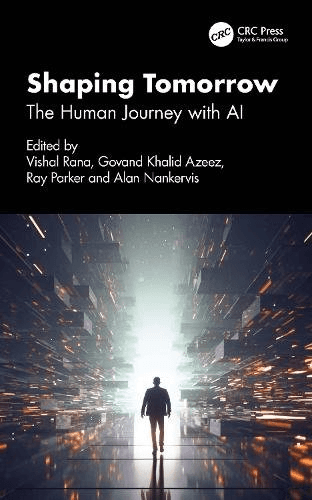
Selected academic articles and papers exploring leadership, education, and social development.
Press features and conversations about ideas, policy, and the future of public life.
Articles and essays on education, leadership, technology, and meaningful work.
Artificial intelligence presents unique challenges related to bias and discrimination. AI systems are only as good as the data they are trained on. Biased input data can perpetuate and amplify existing societal inequalities and discriminatory behaviour. Vishal Rana and Peter Woods propose using philosopher Paulo Freire’s critical consciousness framework to educate AI developers on the societal implications of what they create.
Drawing on their experience of designing higher education courses centred on AI tools, Bert Verhoeven and Vishal Rana discuss how, rather than being a threat, AI can be used in ways that are compatible with traditional teaching methodologies and offer a golden opportunity to make course design learner centric.
Policymakers face a balancing act to ensure the fair distribution of the benefits of artificial intelligence. The rapid adoption of the technology can disrupt nonroutine tasks, affecting job security and exacerbating socio-economic inequalities. Vishal Rana and Bert Verhoeven discuss possible ways to address the problem, such as creating a universal basic income to help people cope with the transition.
For speaking enquiries, collaborations, media requests, or simply to share an idea, send a note.

